
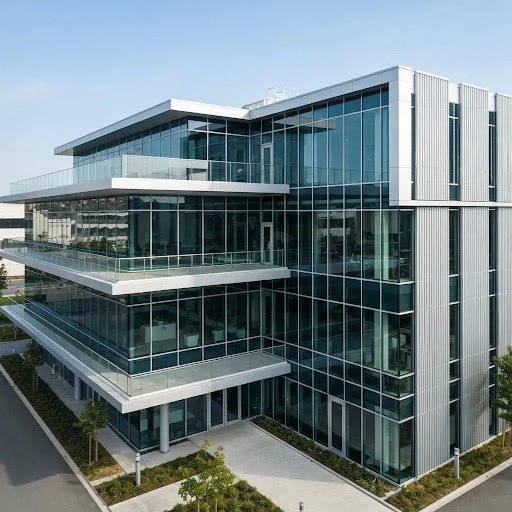
Commercial windows can represent a significant portion of a building’s cooling expenses, sometimes up to 56 percent. This makes effective solar control absolutely crucial for ensuring occupant comfort and achieving substantial energy savings. Sun control film, solar screens, and low-E glass each tackle heat gain, glare, and UV exposure using distinct methods and offering unique performance characteristics. This comprehensive guide provides clear definitions, direct performance comparisons, detailed pros and cons, practical decision-making frameworks, insights into retrofit possibilities, and local expertise from APG Design Studio. Our aim is to empower architects, interior designers, and commercial clients throughout New York and New Jersey to select the most effective solution for their specific needs.
Inside this article, you'll uncover:
A clear explanation of sun control film, solar screens, and low-E glass, detailing their operational principles.
Key performance benchmarks for heat rejection, UV defense, glare reduction, insulation capabilities, privacy features, and maintenance demands.
A balanced look at the advantages and disadvantages of each option, whether for retrofitting existing structures or for new construction projects.
Guidance tailored to specific scenarios, considering climate conditions, budget constraints, and LEED certification objectives.
An exploration of retrofit glazing techniques versus the necessity of complete window replacement.
Why APG Design Studio stands out as the premier local partner for expert installation, insightful consultation, and customized sun control solutions.
Understanding Sun Control Film, Solar Screens, and Low-E Glass
Every solar control approach works by modifying incoming solar radiation through a specific mechanism, leading to tangible improvements or trade-offs in comfort, energy efficiency, and overall aesthetics. Grasping these fundamental functions is key to effectively comparing their performance.
What is Sun Control Film and How Does It Operate?
Sun control film is a sophisticated, thin polyester layer applied directly to existing glass surfaces. It effectively reduces heat gain by both reflecting and absorbing infrared radiation. Engineered with advanced metallic or ceramic coatings, these films are designed to block a substantial portion of solar heat gain – up to 60 percent – while still allowing ample natural light to permeate the space. For instance, 3M Prestige Series films utilize cutting-edge nanotechnology to reflect infrared wavelengths and block over 99 percent of harmful UV rays. As a highly convenient retrofit solution, sun control film is installed on the interior surface of commercial glazing, minimizing disruption to building operations and preserving the original window's transparency.
This reflective technology immediately enhances comfort by reducing glare and providing robust UV protection, naturally leading to questions about how other shading methods stack up.
Evaluating the Impact of Window Films on Indoor Environments and Air-Conditioning Energy Consumption in Buildings
This in-depth research examined how various window films, including both heat-absorbing and reflective types, influence indoor environmental conditions and the energy consumption of air-conditioning systems in buildings. The findings revealed that both categories of films effectively lowered indoor temperatures and light levels, thereby improving occupant comfort. Notably, reflective films demonstrated electricity savings ranging up to 10.3%, with the exact percentage varying based on the building's orientation.This study provides direct empirical support for the article's assertions regarding sun control film's ability to reduce heat gain, enhance comfort, and contribute to significant energy savings by offering concrete data on reductions in electricity usage.
How Do Solar Screens Function for Commercial Windows?
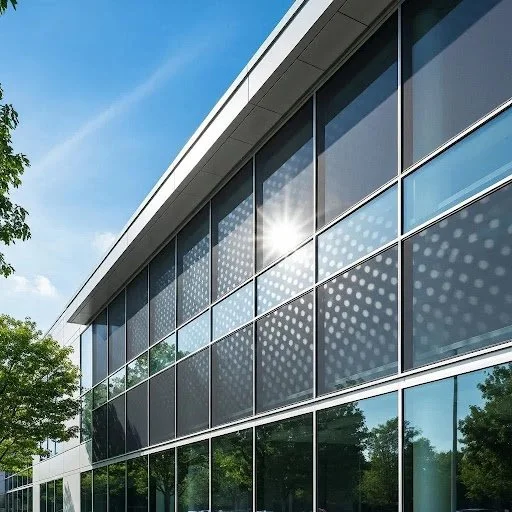
Solar screens are sophisticated exterior mesh systems designed to intercept sunlight before it even reaches the glass. This interception effectively blocks solar energy and provides an added layer of daytime privacy. Typically constructed from durable materials such as fiberglass, polyester, or PVC-coated weaves, these screens can block an impressive amount of solar heat gain – up to 90 percent – while also offering protection against insects and allowing for natural airflow. Solar screens are installed directly onto the exterior window frames, providing shade to the glazing and significantly reducing direct sun exposure without altering the window unit itself.
By intercepting solar heat at the window's surface, screens dramatically improve interior comfort and protect furnishings, naturally leading to an examination of advanced glazing alternatives like low-E coatings.
What is Low-E Glass and Its Advanced Insulation Technology?
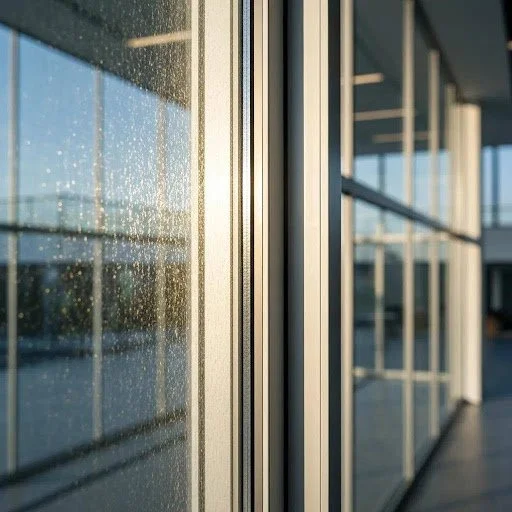
Low-E (low-emissivity) glass is engineered with an ultra-thin metallic coating, either embedded within or applied to the glass surface. This specialized coating is adept at reflecting infrared and UV radiation while allowing visible light to pass through unimpeded. This microscopic layer significantly reduces heat transfer across the glazing, achieving impressive U-values as low as 0.25 BTU/ft²·°F and Solar Heat Gain Coefficient (SHGC) reductions of 20–40 percent. Often, double or triple-pane insulated glazing units (IGUs) incorporate inert gases like argon or krypton to further enhance their thermal performance.
Low-E glass seamlessly integrates solar control directly into the window structure, offering enduring insulation benefits. However, it necessitates a complete window replacement for any retrofit applications.
A Comprehensive Review of Low-Emission Glass: From Efficiency to Sustainability
This extensive review highlights low-emission (low-E) glass as a leading energy-efficient glazing technology. It's specifically developed to minimize heat transfer while maximizing the transmission of visible light. The review emphasizes that low-E glass can yield substantial energy savings in buildings, potentially reaching up to 50%, by effectively reducing UV and infrared radiation and significantly improving indoor thermal comfort.This review paper strongly supports the article's explanation of low-E glass technology, underscoring its critical role in reducing heat transfer and its significant contribution to energy efficiency and occupant comfort within commercial buildings.
Comparative Performance: Sun Control Film, Solar Screens, and Low-E Glass
A direct comparison of core thermal performance metrics helps clarify which technology best aligns with a building’s specific performance objectives and its chosen strategy for either retrofitting or new construction.
Which Solution Delivers Superior Heat Rejection and Solar Control?
Sun control film effectively reduces solar heat gain by absorbing and reflecting infrared wavelengths, achieving SHGC reductions of up to 60 percent. Solar screens physically intercept sunlight using precisely engineered mesh densities, preventing as much as 90 percent of solar radiation from reaching the window surface. Low-E glass reflects infrared radiation through its specialized metallic coatings but typically offers lower solar heat gain reductions (ranging from 20–40 percent) when compared to high-performance screens or advanced films.
How Do They Differ in UV Protection and Glare Reduction Capabilities?
Sun control films are exceptionally effective, blocking over 99 percent of ultraviolet radiation, thereby safeguarding interior materials from fading and protecting occupants from harmful exposure. Solar screens provide UV filtering at an efficiency of 60–90 percent, depending on the density of their weave. Low-E glass coatings effectively reject approximately 95 percent of UV rays. In terms of glare reduction, films achieve a significant 50–70 percent improvement, screens offer 50–75 percent shading, while low-E glass provides a more modest glare reduction of about 20–30 percent.
What Are the Differences in Energy Efficiency and Insulation Performance?
Low-E glass stands out for its superior insulation capabilities, achieving U-values as low as 0.25 BTU/ft²·°F and effectively reducing both heat gain during warmer months and heat loss during colder periods. Sun control film offers a modest improvement in the overall window U-value while primarily targeting infrared rejection, thereby enhancing energy efficiency, particularly when cooling loads are dominant. Solar screens contribute to improved cooling energy performance through shading but provide minimal thermal insulation benefits during winter.
How Do Privacy, Aesthetics, and Noise Reduction Compare Across Options?
Exterior solar screens offer a distinct advantage in providing daytime privacy and a degree of noise dampening by creating a physical mesh barrier. Sun control films maintain clear outward views with minimal tinting and offer moderate acoustic buffering. Low-E glass preserves unobstructed views and can enhance sound insulation when incorporated into multi-pane glazing systems, but it does not provide any privacy screening effect.
Selecting the Optimal Window Heat Control Solution for Your Commercial Space
Key decision factors, including the current condition of existing windows, the project's budget, specific climate demands, and overarching sustainability goals, will guide you toward the most effective selection.
Which Solution is Ideal for Existing Buildings Requiring Retrofit Upgrades?
Sun control film and solar screens are particularly well-suited as retrofit options. Films can be applied to existing glazing with minimal operational downtime, while screens can be attached externally without the need to replace the window units. Both solutions deliver rapid reductions in cooling costs and enhance occupant comfort with limited construction impact.
What Are the Preferred Choices for New Construction and Complete Window Replacement Projects?
Low-E glass is the recommended choice for new builds or significant window replacement projects where certified insulation performance and long-term durability are paramount. Its integrated coatings and advanced insulated glazing provide year-round energy efficiency and are instrumental in achieving LEED credits for Green Building certification.
How Do Climate, Budget, and Aesthetic Preferences Influence Your Decision?
For regions with hot, sunny climates where maximizing cooling savings on a constrained budget is a priority, sun control film offers an excellent return on investment. Projects that emphasize facade uniformity and require insect control might find solar screens to be the more suitable option. Buildings in colder climates or high-end new constructions will generally benefit most from the advanced thermal performance of low-E insulated glazing layers.
How Do These Solutions Contribute to LEED Certification and Overall Energy Savings?
Both solar control film and low-E glass contribute positively to LEED credits in the Indoor Environmental Quality (IEQ) and Energy & Atmosphere categories by reducing HVAC system loads and enhancing occupant thermal comfort. Solar screens can support sustainable site strategies related to shading. Implementing a combination of these solutions can maximize points in energy optimization and passive design categories.
Exploring Retrofit Glazing Options for Commercial Windows
Retrofitting existing windows presents a viable strategy to enhance performance and energy efficiency without the need for complete replacement, while also preserving architectural finishes. 3m window films
How Does Sun Control Film Compare to Other Retrofit Glazing Methods?
In comparison to secondary glazing or insulated glass unit inserts, sun control film offers faster installation, lower costs, and avoids the need for frame modifications. Films directly address solar and UV control, whereas secondary glazing primarily enhances insulation but can add significant weight and frame complexity.
What Are the Advantages of Retrofit Solutions Compared to Full Window Replacement?
Retrofit methods, such as applying film or installing screens, significantly minimize business disruption, reduce upfront costs by 50–75 percent compared to full replacement, and allow for phased implementation across large commercial portfolios. The rapid installation process also ensures the preservation of historic or custom window frames.
Why Partner with APG Design Studio for Your Commercial Window Solutions in NY and NJ?
APG Design Studio uniquely combines in-depth knowledge of local climate conditions, strategic partnerships with leading product manufacturers, and professional installation expertise to deliver customized solar control solutions. We focus on balancing aesthetics, occupant comfort, and significant energy savings. Discover more about our extensive capabilities on our sun control film page.
What 3M Sun Control Film Products and Installation Services Does APG Provide?
APG Design Studio proudly serves as an authorized installer for a comprehensive range of 3M Window Films, including the highly regarded Sun Control Prestige, Night Vision, and Neutral Series films. Our team of certified technicians guarantees precise application, ensures full warranty coverage, and provides meticulous performance documentation for every project.
How Does APG Enhance Energy Efficiency and Comfort for Commercial Clients?
By conducting thorough energy audits and drawing upon over a decade of experience with local projects, APG Design Studio expertly selects the optimal film and screen specifications to align with regional solar patterns. Our documented case studies showcase impressive cooling cost reductions of up to 30 percent, with a typical ROI payback period of just 2–4 years.
How Can You Arrange a Complimentary Consultation or Obtain a Custom Quote?
To explore the sun control options best suited to your building’s unique requirements, we invite you to request a free consultation with our dedicated commercial glazing specialists. We offer on-site assessments, detailed project proposals, and comprehensive project management support from the initial concept phase through to final installation.
Elevating your commercial environment begins with selecting the right window solution. By thoroughly understanding each technology's operational principles, performance metrics, and ideal application scenarios, you can confidently make informed decisions that enhance comfort, protect valuable interiors, and optimize energy usage. Partnering with APG Design Studio guarantees expert guidance, superior installation quality, and measurable, impactful results for your New York or New Jersey building.