
Commercial buildings in New York and New Jersey often struggle with excessive solar heat gain, glare, and UV damage—issues that can drive up energy costs and degrade interior finishes. Sun control window film offers a retrofit solution that reflects and absorbs specific wavelengths of sunlight before they enter occupied spaces, enhancing occupant comfort and lowering HVAC loads. This guide explains what sun control window film is, examines the science behind solar heat rejection, details key performance metrics, outlines its primary benefits and technology varieties, reviews commercial applications in NY/NJ, answers common technical questions, and highlights why APG Design Studio provides customized 3M sun control window film solutions.
What Is Sun Control Window Film and Why Is It Important for Commercial Spaces?
Sun control window film is a thin, multi-layered coating that adheres to interior or exterior glass surfaces to regulate solar energy transmission, improving energy efficiency and visual comfort in commercial buildings. Its importance stems from the need to manage the solar spectrum—ultraviolet (UV), visible light, and infrared (IR)—to protect occupants and interiors while preserving daylight.
What Defines Sun Control Window Film?
Sun control window film consists of polyester film layers combined with metallic or ceramic coatings that interact with solar radiation. These layers perform three core functions simultaneously:
Reflection of infrared and visible wavelengths
Absorption of UV and IR heat
Transmission of desired daylight
Each component works in concert to reduce thermal load without obscuring views, creating an effective barrier against unwanted solar energy while maintaining transparency for visuals and connectivity.
How Does Sun Control Window Film Benefit Businesses in New York and New Jersey?
Businesses in NY/NJ face intense summer heat, higher cooling bills, and strict building codes for energy efficiency. By installing sun control window film, commercial properties can:
Lower peak demand on air-conditioning systems during July and August
Maintain consistent interior temperatures across multiple floors
Comply with local energy codes for new and renovated buildings
These outcomes translate into predictable operating costs and improved occupant satisfaction in high-rise offices or retail storefronts.
What Problems Does Sun Control Window Film Solve in Commercial Buildings?
Sun control window film directly addresses three common challenges in commercial glazing:
Excessive heat gain that forces HVAC systems to run longer
Distracting glare on workstations, displays, and conference rooms
Harmful UV exposure that fades furnishings, flooring, and printed graphics
Mitigating these issues enhances productivity, protects valuable assets, and supports sustainable operations, setting the stage for a deeper look at the underlying technology.
How Does Sun Control Window Film Work? The Science Behind Solar Heat Rejection
Sun control window film works by modulating the solar spectrum through specialized coatings that reflect, absorb, and transmit different wavelengths, preventing undesired thermal and photonic energy from entering interior spaces. An understanding of these mechanisms reveals how film selection and performance metrics influence real-world outcomes.
What Are the Key Mechanisms: Reflection, Absorption, and Transmission?
Sun control window film layers are engineered to perform three simultaneous interactions:
Reflection – Metallic particles or thin metal oxides bounce a portion of incoming solar radiation back toward the exterior.
Absorption – Certain polymers or nano-ceramic particles convert absorbed UV and IR energy into low-grade heat retained within the film.
Transmission – Controlled passage of visible light ensures daylighting while blocking harmful spectra.
These combined processes form a barrier that significantly reduces solar heat gain and glare without compromising exterior views, and they pave the way to examine each mechanism in detail.
How Does Reflection Help Reduce Solar Heat and Glare?
Metallic coatings embedded in the film create a mirror-like interface that bounces back approximately 30–50 percent of infrared and visible radiation. By reflecting radiant heat away, the film limits solar heat gain and cuts glare on digital displays, allowing glass facades to remain transparent without darkening interiors.
How Does Absorption Manage Heat Within the Film Layers?
Specialized polymers or nano-ceramic pigments within the film absorb UV and IR wavelengths and convert them into minute quantities of heat that remain trapped in the film. This heat is gradually dissipated back outside or conducted along the glass, reducing the amount that enters the occupied zone and safeguarding indoor comfort.
What Are the Main Benefits of Solar Control Window Film for Commercial Buildings?
Solar control window film delivers multiple advantages beyond simple glare reduction, providing measurable returns in energy savings, occupant well-being, and interior preservation.
How Does Sun Control Film Improve Energy Efficiency and Lower Costs?
Sun control film reduces HVAC load by intercepting up to 60 percent of solar heat gain, which leads to:
Lower peak electricity demand during midday hours
Reduced runtime on chillers and air handlers
Decreased operational expenses in cooling-dominated climates
By trimming energy consumption, businesses stabilize utility budgets and accelerate ROI on film installation.
Impact of Window Films on Building Energy Consumption
Research indicates that the application of window films can significantly reduce a building's annual total cooling energy consumption by up to 35%. While there might be a marginal increase in heating energy consumption, the overall energy savings, primarily from reduced cooling loads, contribute to lower operational costs and CO2 emissions.This study provides verified data on the energy efficiency benefits of sun control window films, directly supporting the article's claims about lowering HVAC loads and reducing energy costs for commercial buildings.
How Does It Enhance Occupant Comfort and Reduce Glare?
By reflecting and absorbing sun-driven heat, the film maintains uniform temperatures across perimeter zones, eliminating hot spots. Simultaneously, reduced glare fosters a more ergonomic visual environment, cutting eye strain for employees and improving focus without sacrificing natural light.
How Does It Provide UV Protection and Preserve Interiors?
Sun control window film can block up to 99 percent of harmful UV rays, arresting the photodegradation that causes fabrics, wood finishes, and graphic prints to fade. This layer of protection extends the lifecycle of furnishings and wall graphics, preserving the pristine look of commercial interiors.
Benefits of Commercial Window Tint for Energy and Interior Preservation
Effective commercial window films are shown to reduce energy consumption by 30% or more by blocking light and absorbing heat. Additionally, these films offer significant UV protection, blocking up to 99% of harmful UV rays, which helps prevent damage and fading to interior furnishings and materials.This source corroborates the article's points on energy efficiency, cost savings, and the crucial role of window films in providing UV protection to preserve commercial interiors and enhance occupant comfort.
What Aesthetic and Privacy Enhancements Does Window Film Offer?
Available in a spectrum of tints, neutral hues, and metallic finishes, sun control films enrich building facades with refined shading or mirrored elegance. Certain reflective films also provide daytime privacy by preventing external visibility while permitting interior sightlines, all without bulky blinds or shades.
What Types of Sun Control Window Film Technologies Are Available?
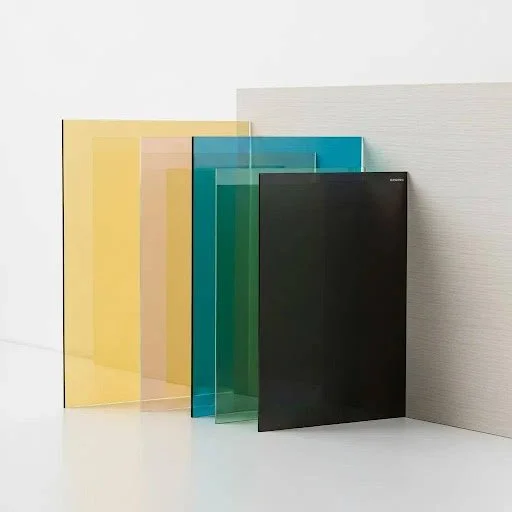
A variety of technologies address different performance priorities, from maximal heat rejection to signal-friendly, metal-free optically clear options.
What Are Reflective Films and Their Benefits?
Reflective films incorporate thin metallic layers that create a mirrored appearance on the glass surface. They excel at:
Blocking solar infrared and visible light
Providing daytime privacy
Delivering standout exterior aesthetics
These films are ideally suited for office facades seeking high heat rejection and a modern reflective finish.
How Do Ceramic Films Use Nanotechnology to Block Infrared Radiation?
Ceramic films embed nano-ceramic particles that absorb and scatter IR wavelengths without metal content. These films:
Offer superior IR rejection (up to 60 percent)
Maintain high visible light transmission for pristine clarity
Avoid interference with electronic signals (Wi-Fi, GPS)
Architectural projects requiring metal-free performance and uncompromised glass clarity often specify ceramic technology.
What Are Spectrally Selective Films and How Do They Balance Light and Heat?
Spectrally selective films are engineered to:
Permit up to 70 percent of visible daylight
Reject over 80 percent of infrared heat
Block nearly all UV radiation
By fine-tuning layer composition, these films maximize natural light while minimizing thermal gain, delivering an ideal balance for occupied spaces that appreciate daylight.
Energy Conservation Capabilities of Spectrally Selective Window Film
Spectrally selective films are designed to effectively block unwanted solar energy and reduce air conditioning costs without significantly darkening building interiors or altering the external appearance of a building. This technology allows for high light transmission while rejecting a substantial portion of heat-generating radiation.This research supports the article's explanation of how spectrally selective films work to balance daylighting with heat rejection, providing energy savings and maintaining visual clarity in commercial spaces.
How Do Low-Emissivity (Low-E) Films Provide Year-Round Insulation?
Low-E films feature microscopically thin metal oxide coatings that:
Reflect summer heat away from the glass
Insulate against interior heat loss in winter
This dual-season performance supports year-round energy efficiency and can help buildings meet green-building certifications.
How Is Sun Control Window Film Applied in Commercial Settings Across New York and New Jersey?
Installation of sun control film in NY/NJ demands coordination among architects, designers, and certified installers to ensure optimal performance and aesthetics.
Which Commercial Spaces Benefit Most from Sun Control Window Film?
Typical applications include:
Class A office towers seeking consistent thermal comfort
Retail storefronts requiring glare control for product displays
Hospitality lobbies and atriums that balance light and temperature
Educational facilities where daylight fosters learning
Healthcare suites needing UV protection and patient comfort
Each setting leverages film’s attributes to solve specific operational and design challenges.
What Are Typical Installation Processes and Considerations for Architects and Designers?
Professional installation involves:
Assessing glass type and framing conditions
Selecting the appropriate film technology based on project goals
Preparing glass surfaces by thorough cleaning and inspection
Precisely trimming and applying film with controlled pressure and edge sealing
Verifying film adhesion and optical clarity
Attention to substrate conditions, edge detailing, and post-installation cure time ensures durability and performance.
How Does APG Design Studio Provide Customized 3M Sun Control Window Film Solutions?
APG Design Studio is an authorized dealer of 3M window films, offering architects and interior designers a turnkey service from prototype to installation. By combining 3M’s advanced film lines—such as Prestige Exterior Series—with APG’s precision installation processes, commercial clients in NY/NJ receive tailored solutions that align with brand identity, energy targets, and aesthetic objectives. Explore more about their portfolio of 3M products on the 3M Exterior Window Films — APG Design Studio page.
What Are Common Questions About Sun Control Window Film?
This section addresses technical queries often encountered during the design and specification phases, providing concise, expert-level explanations.
How Does Sun Control Window Film Work to Reduce Heat and Glare?
Sun control window film reduces heat and glare by reflecting infrared and visible light away, absorbing UV and IR energy in specialized film layers, and then dissipating it back outside or along the glass—thereby minimizing solar gain and softening harsh daylight in occupied zones.
What Are the Energy Efficiency Benefits of Solar Control Window Film for Businesses?
Solar control film can cut solar heat gain by up to 60 percent, leading to lower peak cooling demand, reduced energy consumption for HVAC systems, and stable interior temperatures throughout the day—delivering both immediate utility savings and long-term operational cost reductions.
What Types of Sun Control Window Films Should Commercial Clients Consider?
Commercial clients should evaluate:
Reflective films for maximal glare and heat control with mirrored exteriors
Ceramic films when electronic-signal integrity and high visible clarity matter
Spectrally selective films to admit abundant daylight while blocking heat
Low-E films for combined seasonal insulation benefits
Film choice depends on a project’s priorities for energy performance, aesthetics, and occupant experience.
Does Sun Control Window Film Block Harmful UV Rays?
Yes, quality sun control window films block up to 99 percent of ultraviolet radiation, effectively preventing interior fading of fabrics, wood finishes, and printed graphics and reducing occupant UV exposure for healthier indoor environments.
How Long Does Commercial Window Film Last and What Maintenance Is Required?
High-performance sun control films typically carry a 10–15 year warranty and can last over a decade when maintained properly. Maintenance includes:
Gentle cleaning with mild detergent and soft cloth
Avoidance of abrasive pads or ammonia-based cleaners
Periodic inspection for edge seals and minor lifts
This care regimen preserves film adhesion, clarity, and continues solar rejection performance.
Why Choose APG Design Studio for Sun Control Window Film Installation in NY/NJ?
APG Design Studio combines regional expertise, premium 3M partnerships, and tailored workflows to deliver sun control window film solutions that exceed performance and aesthetic goals.
What Makes APG Design Studio a Trusted 3M Authorized Dealer?
As a 3M Authorized Dealer, APG Design Studio provides direct access to the latest 3M films, manufacturer-backed warranties, and technical support. This partnership ensures that clients receive genuine, high-performance products and certified installation practices.
How Does APG Customize Solutions for Commercial Clients?
APG’s approach integrates branding, energy modeling, and design intent into film selection and installation. Each project undergoes a collaborative review—incorporating sample mock-ups, color matching, and performance testing—so that the final result aligns with corporate identity and facility requirements.
What Local Expertise Does APG Offer for New York and New Jersey Businesses?
With studios in Rockaway, NJ and an office in New York City, APG Design Studio understands regional climate conditions, code requirements, and aesthetic trends. This local presence facilitates on-site assessments, rapid response times, and continuity from concept through post-installation support. Learn more about APG’s full range of architectural film services on our About Us page.
Improving building performance through sun control window film brings measurable gains in energy efficiency, occupant comfort, and asset protection for commercial properties in New York and New Jersey. By partnering with a certified expert like APG Design Studio—trusted for 3M sun control technologies—architects and interior designers can achieve precise solar management without compromising on style or transparency. For a tailored consultation on window solar control film solutions, reach out to APG Design Studio via their Contact page.