
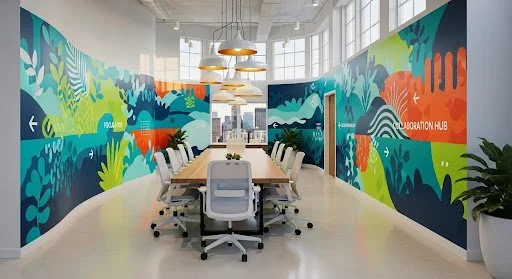
Environmental graphics are becoming a go-to strategy for architects who want to lift a space visually while adding real-world function. This article explores what environmental graphics are and how they reshape commercial interiors — from improving wayfinding to sharpening user experience. You’ll learn the definition and value of environmental graphics, what makes Chroma graphics distinct, how custom architectural printing supports bold design, installation best practices, and real-world case studies that show these ideas in action.
What Are Environmental Graphics and Their Role in Interior Transformation?
Environmental graphics are the visual systems that give a space personality and purpose. They communicate information, establish a sense of place, and make environments easier to use. When architects integrate signage, wall graphics, and wayfinding systems, they change how people move through and relate to a building. Thoughtful use of environmental graphics not only beautifies interiors but also provides clear navigation—especially important in hospitals, airports, museums, and corporate campuses.
At APG Design Studio, we deliver integrated design, print, and installation services focused on architectural graphics and interior finishes. Our approach helps architects realize design intent while keeping graphics practical and visually aligned with the project.
How Do Architectural Graphic Finishes Enhance Commercial Interiors?
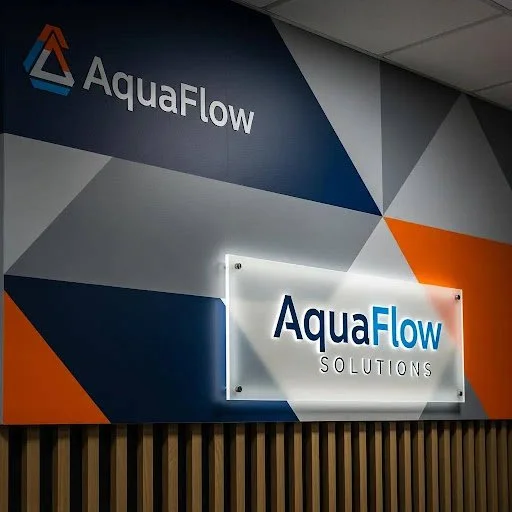
Architectural graphic finishes add visual depth and functional value to commercial interiors. They can be tailored to reflect a brand’s identity, creating a consistent look that resonates with employees and visitors. For example, vibrant wall graphics energize workspaces, while subtle directional signage keeps circulation smooth.
These finishes also support sustainability and operational efficiency. Choosing eco-conscious materials and responsible production practices lets architects deliver spaces that look great and perform well over time. That balance between aesthetics and responsibility is increasingly expected by clients seeking sustainable solutions.
What Makes Chroma Environmental Graphics Unique for Architects?
Chroma environmental graphics are distinguished by rich color, refined finishes, and production quality that holds up in demanding settings like healthcare, hospitality, and education. Their clarity and contrast make wayfinding intuitive, while customization lets architects align graphics with branding and programmatic needs.
Many Chroma products also prioritize sustainability and biophilic design—bringing natural imagery and materials into interiors to support occupant well‑being and create more inviting spaces.
How Does Custom Architectural Printing Support Innovative Interior Designs?
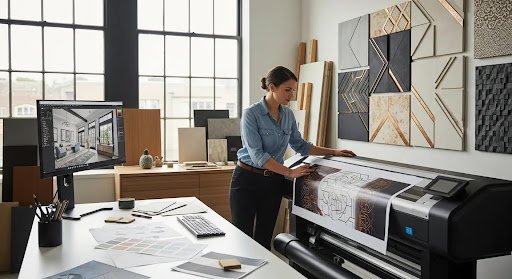
Custom architectural printing lets architects translate concepts into high-resolution, color-accurate graphics that integrate branding and wayfinding into a single visual story. Precise color matching and material choices ensure the finished graphics support the project’s design narrative from reception to circulation corridors.
Which Print Technologies Deliver High-Quality Large-Format Graphics?
There are several print technologies suited to large-format architectural graphics, each with practical advantages. Digital printing provides speed and design flexibility, while UV printing adds durability and fade resistance for higher‑traffic zones.
Digital Printing: Fast, flexible production for detailed, short-run designs.
UV Printing: Durable, fade‑resistant output suited to indoor and some outdoor use.
Eco-Solvent Printing: Uses low‑impact inks for a more sustainable production choice.
These technologies help architects achieve striking visual outcomes while meeting the project’s functional requirements.
How Do Print Services Integrate with Design and Installation Processes?
Seamless integration between design, print, and installation is essential to move from concept to a finished interior without costly delays. Collaborative planning—shared specifications, mockups, and sequenced installation schedules—keeps projects on track and preserves design intent. This coordination supports on-site quality control throughout the build.
Clear communication, realistic timelines, and agreed deliverables ensure the final graphics reflect the architect’s vision and meet project deadlines.
What Are Best Practices for Installing Architectural Graphics in Commercial Spaces?
Successful installations start long before the first panel goes up. Surface preparation, correct environmental conditions, and allowing proper curing or drying times are all critical to prevent bubbling, peeling, or premature failure. Attention to these details preserves both look and longevity for architectural graphics.
How Does Professional Installation Ensure Durable Graphic Finishes?
Professional installers bring hands-on experience with different substrates and materials, so applied graphics perform as intended. Using the right adhesives, tools, and techniques reduces risk and extends the life of the finish.
Surface Preparation: Proper cleaning and priming help graphics adhere correctly and last longer.
Controlled Curing or Drying Times: Following manufacturer and site guidelines prevents common installation issues.
Expertise in Material Handling: Ensures each material is treated and installed with the correct care.
These steps protect the investment in graphics and keep interiors looking intentional over time.
What Are Key Considerations for Retail and Hospitality Environments?
Designing for retail and hospitality means putting people first. Human‑centric principles—clear sightlines, intuitive traffic flow, and well-placed graphics—help spaces feel welcoming and easy to use. Graphics should enhance visibility and support the guest journey without overwhelming it.
Integrating digital or interactive elements can add layers of engagement, delivering both information and memorable experiences. Thoughtful integration of these technologies elevates the user experience and reinforces a brand’s presence in the space. Learn more in our blog.
How Do Case Studies Demonstrate the Impact of Environmental Graphic Design?
Case studies show how strategic environmental graphics solve real problems and elevate user experience. For example, a corporate office that introduced a coordinated wayfinding system reduced visitor confusion and boosted overall satisfaction, proving design decisions can have measurable operational benefits.
Which Interior Transformation Ideas Have Proven Successful in Corporate Settings?
Several tactics reliably improve corporate interiors and demonstrate the value of environmental graphics:
Window Films: Increase privacy while preserving daylight and views.
Architectural Finishes: Update interiors and unify brand expression across spaces.
Environmental Graphics: Strengthen identity and make navigation intuitive.
These approaches combine aesthetics with function to create workplaces that look intentional and support daily use.
What Client Testimonials Highlight Benefits of Custom Architectural Prints?
Clients frequently cite improved brand clarity and better user experience as top benefits of custom architectural prints. Many note that professional design and installation reduced downtime and delivered results that matched expectations—both visually and operationally. Proper installation, in particular, is often highlighted as a key factor in long‑term success.
In short, environmental graphics are a powerful lever for architects aiming to transform interiors. When planned and executed thoughtfully, graphics make spaces more beautiful, navigable, and human-centered. APG Design Studio's expertise in integrated design, print, and installation helps architects bring those outcomes to life.